Chinese astrology is not just about horoscopes; in China, asking "What is your animal sign?" is a polite and common way to ask someone's age without being direct. For HSK learners, this topic is a goldmine for learning descriptive adjectives and cultural concepts.
This guide will move beyond the basic list of animals and teach you the correct grammar and HSK-level vocabulary to discuss personality, destiny, and traditions.
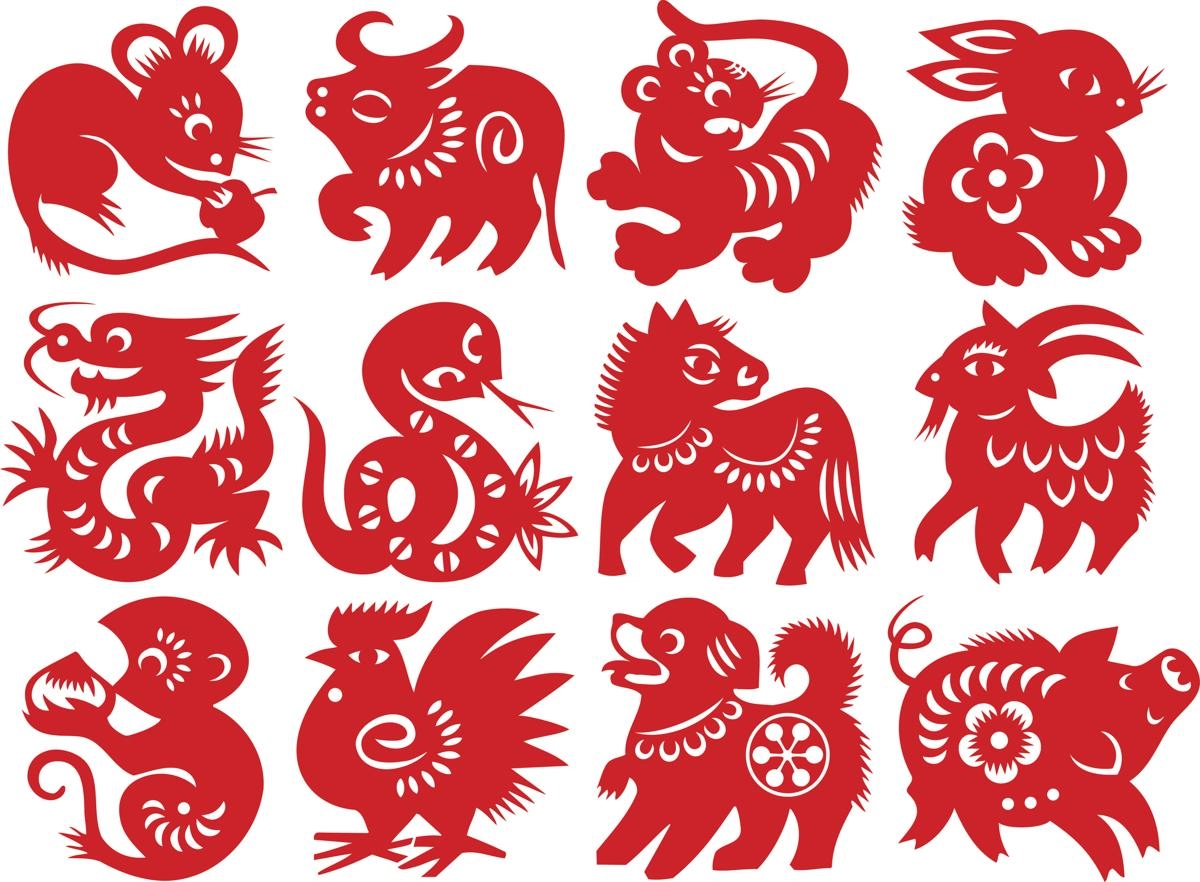
The Golden Grammar Rule: Shǔ (属)
The most common mistake HSK learners make is translating literally from English.
- English: I am a Tiger.
- Beginner Chinese: 我是虎 (Wǒ shì hǔ) -> Incorrect.
- Native Chinese: 我属虎 (Wǒ shǔ hǔ) -> Correct.
The Verb 属 (Shǔ): This means "to belong to." You belong to the category of the Tiger. You are not physically the animal itself.
The 12 Zodiac Animals and Their HSK Attributes
Learning the animals is HSK Level 1 and 2 work. To reach HSK Level 4 or 5, you need to know the personality traits associated with them. This is excellent practice for describing people.
- 鼠 (shǔ) - Rat
- Attribute: 聪明 (cōngming - Clever) - HSK 3
- 牛 (niú) - Ox
- Attribute: 勤劳 (qínláo - Diligent/Hardworking) - HSK 5
- 虎 (hǔ) - Tiger
- Attribute: 勇敢 (yǒnggǎn - Brave) - HSK 4
- 兔 (tù) - Rabbit
- Attribute: 可爱 (kě'ài - Cute/Lovable) - HSK 3
- 龙 (lóng) - Dragon
- Attribute: 自信 (zìxìn - Confident) - HSK 4
- 蛇 (shé) - Snake
- Attribute: 冷静 (lěngjìng - Calm/Cool-headed) - HSK 4
- 马 (mǎ) - Horse
- Attribute: 积极 (jījí - Positive/Active) - HSK 4
- 羊 (yáng) - Goat/Sheep
- Attribute: 温柔 (wēnróu - Gentle) - HSK 5
- 猴 (hóu) - Monkey
- Attribute: 调皮 (tiáopí - Naughty/Playful) - HSK 5
- 鸡 (jī) - Rooster
- Attribute: 诚实 (chéngshí - Honest) - HSK 4
- 狗 (gǒu) - Dog
- Attribute: 忠诚 (zhōngchéng - Loyal) - HSK 6
- 猪 (zhū) - Pig
- Attribute: 乐观 (lèguān - Optimistic) - HSK 5
Deep Dive: Confused about how these differ from Western stars? Check our specific guide on Chinese Zodiac vs. Western Zodiac.
Vocabulary: Fate and Fortune
In more advanced HSK texts and reading comprehension, you will encounter words discussing luck and the calendar.
- 生肖 (shēngxiào) - Zodiac
- 农历 (nónglì) - The Lunar Calendar (Agricultural Calendar)
- Note: Chinese festivals like Chinese New Year follow the lunar calendar.
- 命运 (mìngyùn) - Destiny / Fate
- 本命年 (běnmìngnián) - Year of one's birth sign
- 特点 (tèdiǎn) - Characteristic
- 相配 (xiāngpèi) - To be compatible (often used in dating)
Cultural Insight: The "Bad Luck" of Ben Ming Nian
When your zodiac year arrives (every 12 years—age 12, 24, 36, etc.), it is called your 本命年 (běnmìngnián).
Counter-intuitively, traditional belief holds that this is often a year of bad luck or turbulence because you offended the God of Age (Tai Sui).
- The Cure: To ward off bad luck, Chinese people wear red underwear (红内裤 - hóng nèikù) or red socks given to them by others during this year.
- HSK Application: This is a very common topic in oral exams when discussing Chinese customs and traditions.
Conversation Practice
Use these patterns to practice with your language partner:
A: 你属什么?(Nǐ shǔ shénme?) What is your sign? (Literally: What do you belong to?)
B: 我属马。你呢?(Wǒ shǔ mǎ. Nǐ ne?) I am a Horse. And you?
A: 我属兔。据说兔子性格很温柔。(Wǒ shǔ tù. Jùshuō tùzi xìnggé hěn wēnróu.) I am a Rabbit. They say rabbits have gentle personalities.
Conclusion
Understanding Chinese Astrology gives you a tool to remember complex adjectives. Instead of just memorizing the word "勤劳" (Diligent), associate it with the Ox. Instead of rote learning "属" (Belong to), use it to talk about your friends.
For more cultural context to help your language studies, explore how these signs influence holidays in our Modern New Year Guide.